


Share This Article
Before Hardik Gandhi understood design as a profession, he was already asking the questions that would define his career. Why did some spaces feel calming? Why did certain chairs invite you to sit longer? Why could an object hold so much character before a single word was spoken about it? These were not academic questions. They were the observations of someone whose attention had always been drawn to the quiet power of things, to furniture, lighting and objects that sit at the intersection of function, emotion and spatial experience.
As his education and career progressed, Hardik came to understand that furniture and object design was never simply about creating beautiful products. It was about solving problems through thoughtful craftsmanship and a genuine understanding of human behaviour. Every project became an opportunity to improve someone’s daily experience, not dramatically but quietly, reliably and in ways that compounded over time.
Moving to the UAE added another chapter to that understanding. Exposure to a rapidly evolving design landscape where global influences meet regional identity reinforced a belief he had been building for years: good design is not about following trends. It is about creating products that remain relevant long after those trends have disappeared.
The best design is often the quietest
Hardik’s approach to work is guided by a principle that is both creative and compelling. The best design, in his experience, is often the quietest. It does not compete for attention. It earns it over time.
His process begins with people rather than forms. Before anything is sketched, he spends time thinking about how a product will be used, manufactured, transported and lived in space. He has a particular interest in the act of reduction, of decluttering complexity, removing unnecessary detail and allowing proportion, material and craftsmanship to speak for themselves. The restraint is not passive. It is a considered choice made in service of longevity.
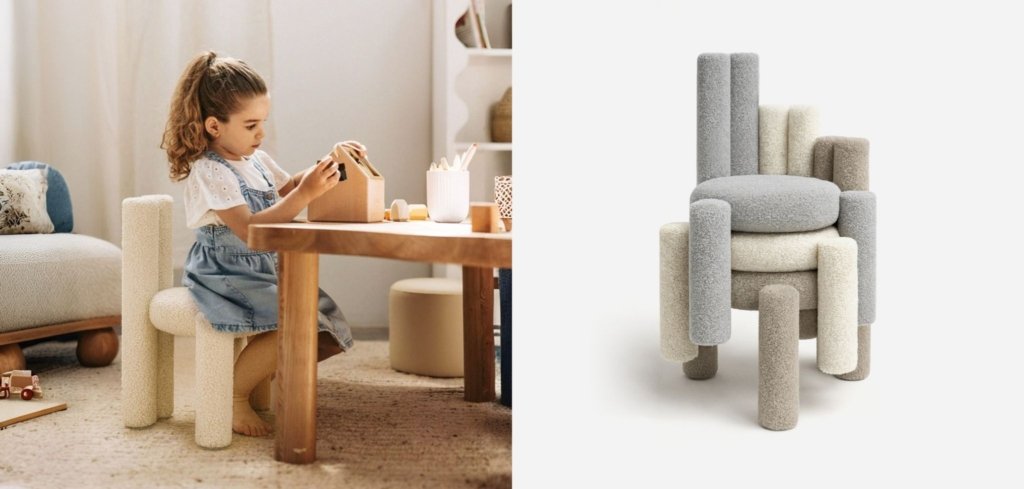
Designing well, for Hardik, means balancing creativity with commercial reality. A successful product is not only aesthetically refined. It should be manufacturable, commercially viable, supportive of the local ecosystem and meaningful to the brand it represents. When all those elements align, the result is a design with a life that extends far beyond any single season or trend cycle.
Fewer but stronger ideas
The shift Hardik thinks about most right now is one he finds genuinely encouraging. Consumers are becoming more informed. They are looking beyond appearance and asking where products come from, how they are made and whether they will still love them five or ten years from now. That shift in awareness is exactly the kind of market pressure that rewards the kind of work he has always believed in.
At the same time, he is watching many furniture brands under pressure to launch collections faster than ever, often at the cost of the depth and distinctiveness that make a collection worth caring about. Products become interchangeable. Identity erodes. The noise increases.
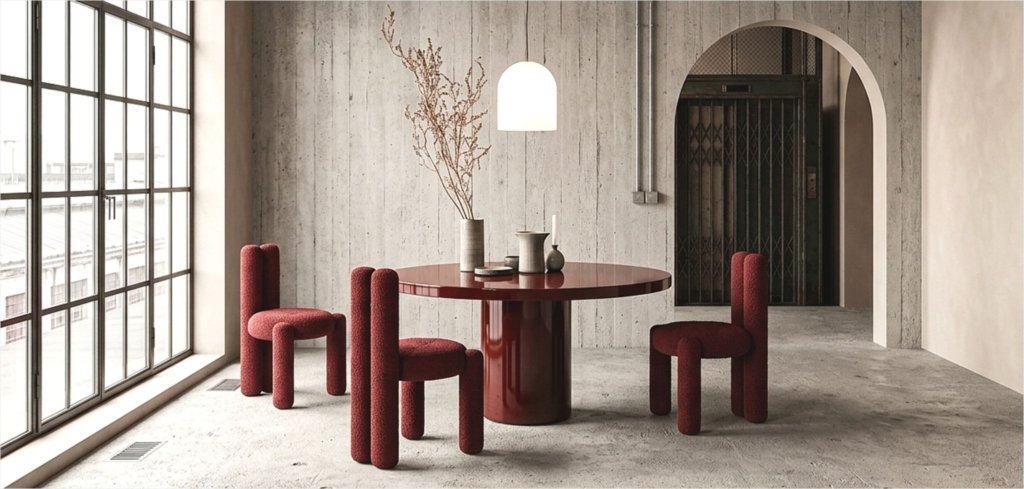
His response is deliberate and clear: advocate for fewer but stronger ideas. He works closely with brands to develop collections and define design languages that build lasting identity rather than respond to short-term trends. Originality, he believes, has become one of the industry’s most valuable assets. And thoughtful, considered design is what ultimately differentiates brands in an increasingly crowded market.
What portfolios cannot do
If there is one thing Hardik wishes someone had told him earlier, it is this: your portfolio may open the first door, but your attitude, consistency and ability to collaborate are what build a career.
Early on, it is easy to believe that every project must be revolutionary. That breakthrough moments of inspiration are what separate good designers from great ones. Over time, Hardik has come to understand that great design is usually the result of patience, listening and continuous refinement. Inspiration has its place. It is just a much smaller place than most design students are led to believe.
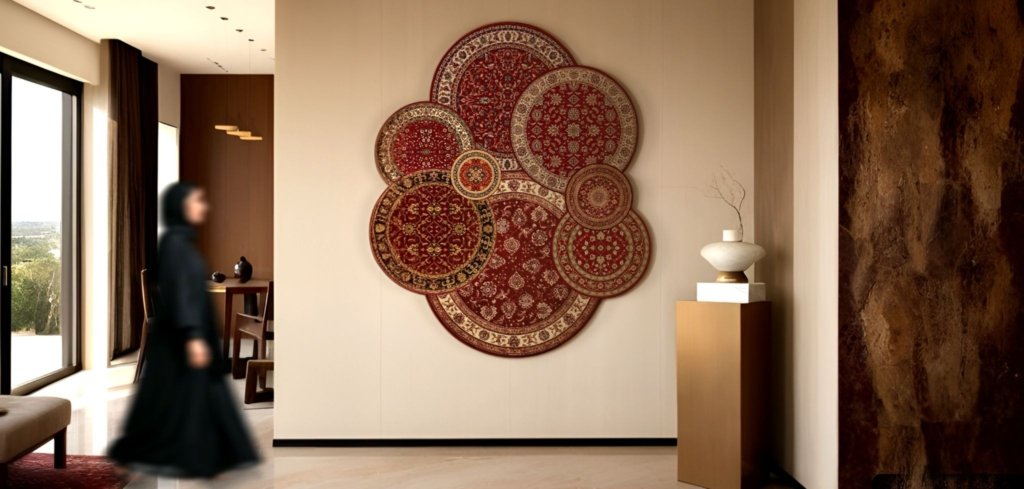
He would also encourage anyone starting out to spend as much time understanding manufacturing as they spend developing concepts. Knowing how things are made fundamentally changes how you design them. That practical knowledge does not constrain creativity. It focuses it.
A different kind of success
When Hardik began his career, success looked like recognition. Products that would be noticed, awards that would mark the work as significant, the external validation that most designers chase early on. Today his definition has broadened considerably.
Success, as he now understands it, is creating work that helps a business grow, strengthens a brand’s identity and becomes part of people’s everyday lives. It is building long-term relationships where companies trust him not simply to design products but to shape the direction of their collections. That kind of trust, earned over years of consistent, considered work, is something no award can replicate.
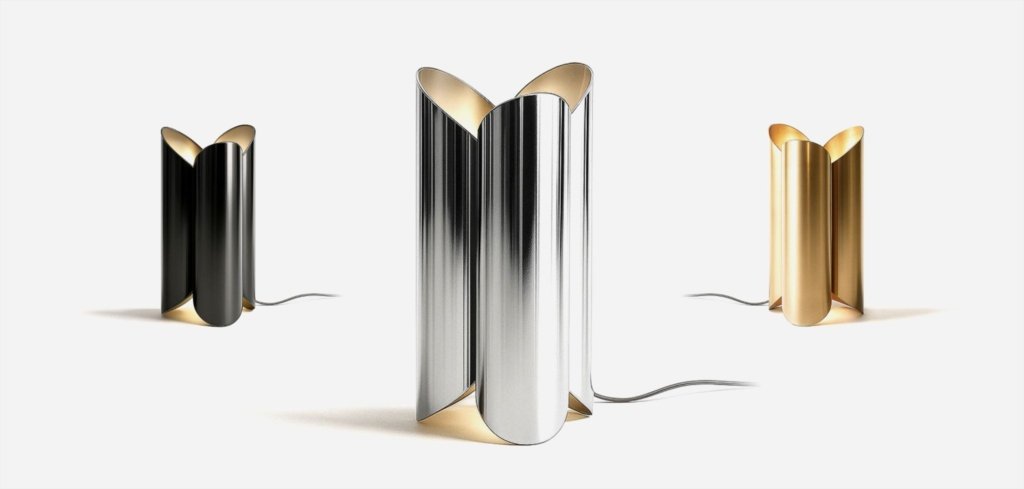
Personally, success also means the freedom to choose meaningful collaborations, to continue learning and to create work that still feels relevant years after it is launched. That is the standard he holds himself to. And it is the one that keeps him most honestly engaged with the work.
The collective behind every design
Hardik closes with gratitude that reflects his deep understanding of what design actually requires. He thanks the mentors, manufacturers and clients who have trusted him throughout his journey, each one teaching him something valuable about design, production or business.
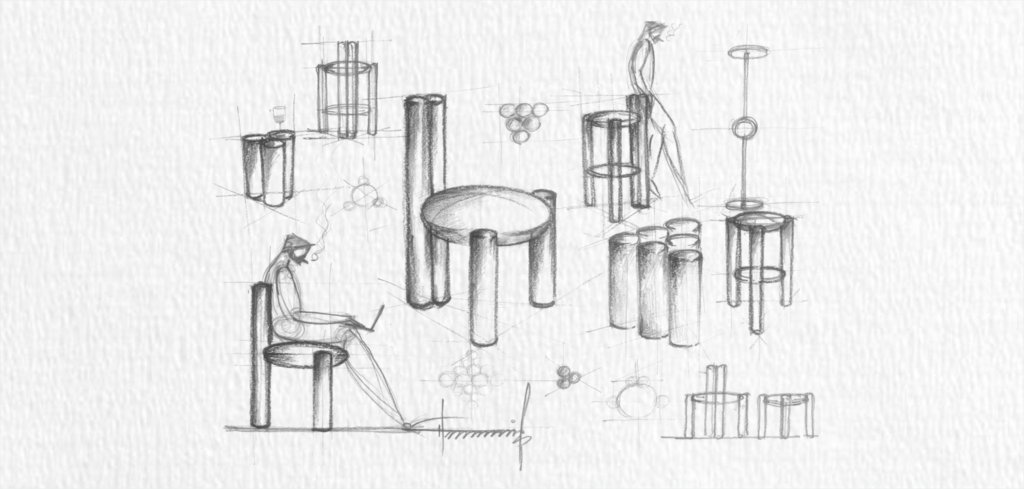
He also acknowledges, with particular warmth, the skilled craftsmen he has worked alongside throughout his career. Their knowledge, attention to detail and understanding of materials have continually challenged him to become a better designer. Design is often associated with the individual. But as Hardik knows and says clearly, it is always a collective effort. And he is fortunate to have learned from so many talented people along the way.
Hardik Gandhi is a furniture and object designer based in the UAE. This piece is part of The Minds Behind the Build, PAGES’ ongoing series celebrating the founders and leaders shaping the built environment.
